
Eating With Nature: Choosing Seasonal Foods to Support Your Wellbeing
by Jaelyn Angelo, Simmons University Dietetic Intern
There is something that feels instinctively right about eating a sun-warmed tomato in August or a crisp apple in October; and it turns out, your body agrees. Produce is at its most nourishing closest to the moment it is harvested. Vitamins like C and folate begin to gradually decline after picking, so the shorter the journey from farm to your plate, the more of that goodness you actually get to absorb.
When food travels long distances out of season (sometimes over 1,500 miles) it's often harvested before it is fully ripe and spends days in transit before reaching you. Eating locally and in-season is a gentle way of working with nature rather than around it, and one of the simplest things you can do to nourish yourself well throughout the year.
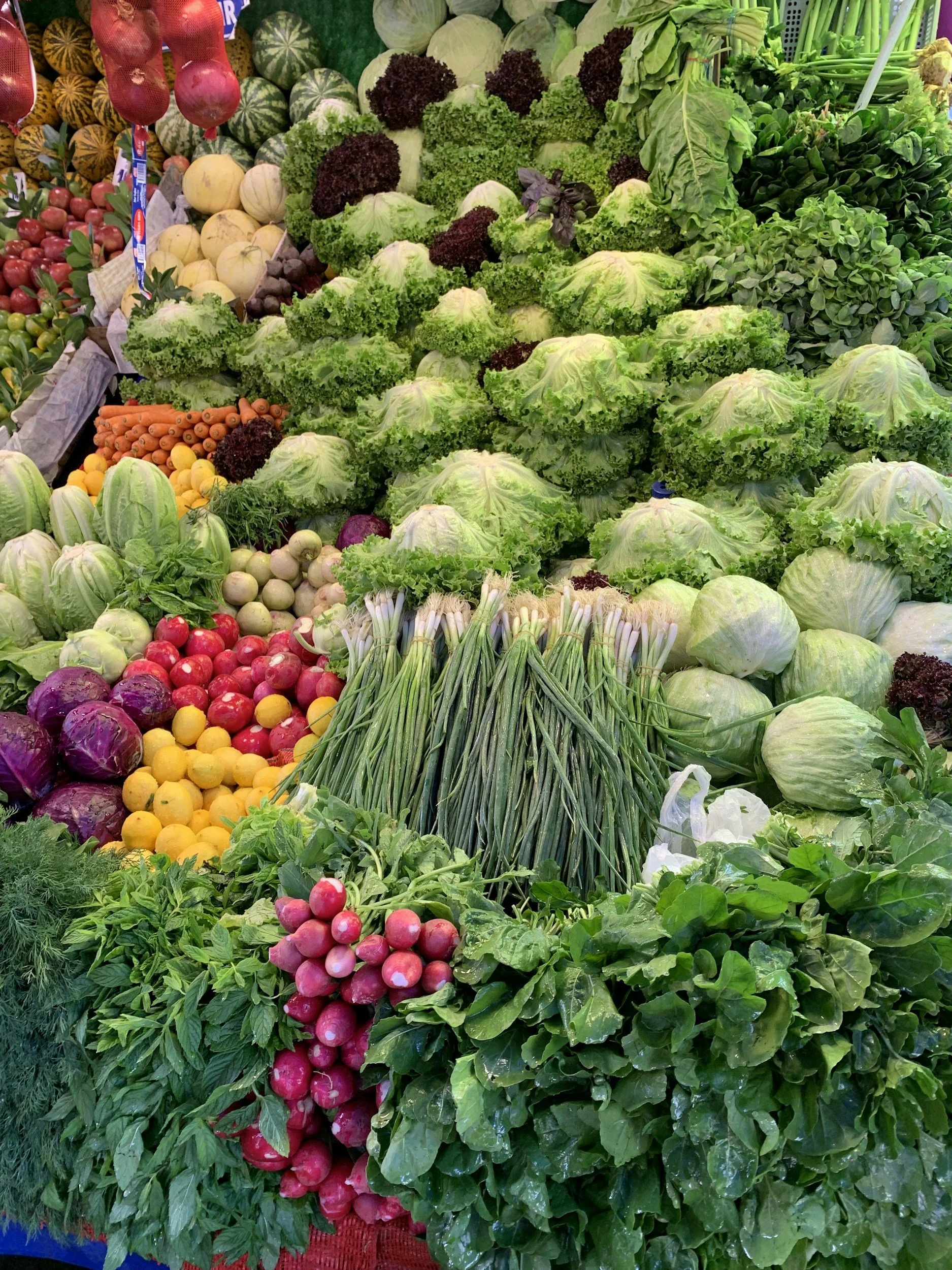
What's In Season Right Now (New England Spring)
Spring in New England unfolds gradually. What is available in April looks quite different from what you will find in June. But across the whole season, there is a wonderful range of produce worth exploring. Here are some produce to look for!
Kale, Spinach, Arugula, Chard, Collard Greens
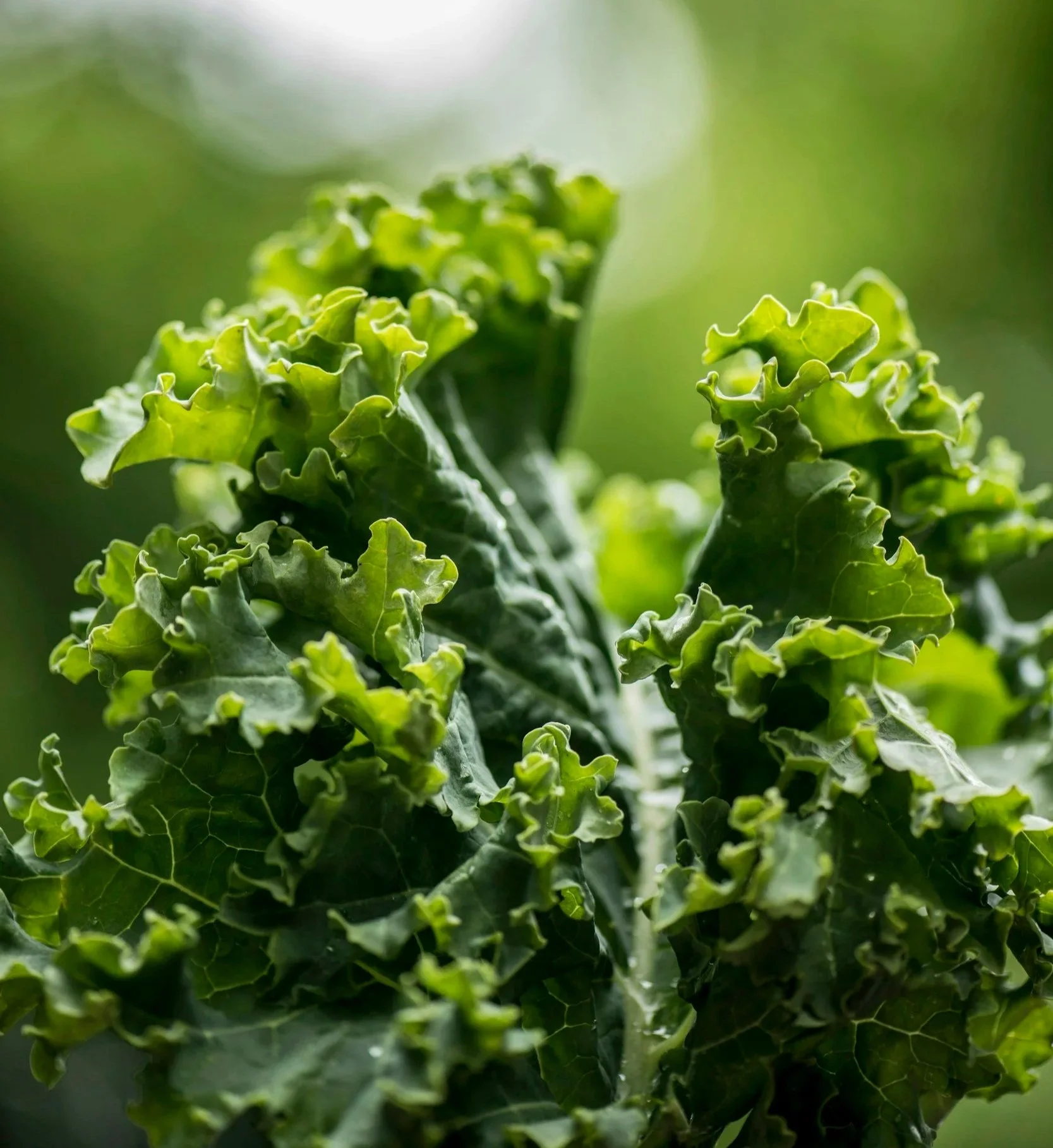
Cold-hardy greens are among the first to emerge in early spring, and many have been growing in hoop houses throughout the region all winter. Kale and collard greens are both sources of vitamin K and calcium. Arugula has a gentle bitterness. That bitterness actually signals the body to begin preparing for digestion, which can support more comfortable digestion and help ease some of the bloating that many people experience. Pairing arugula with something naturally sweet, such as apple slices or roasted beets, softens the taste without losing any of the benefits. Spinach and chard are both rich in iron, magnesium, and folate. These are nutrients that are easy to fall short on, particularly for women and athletes.
Meal tip: Massage raw kale with a little olive oil and lemon juice before eating. This breaks down the tough fibers and makes it much easier to digest. Arugula is best added to dishes at the last minute, since it wilts quickly once dressed.
Leeks, Green Onions, Chives
Leeks and onions contain a type of prebiotic fiber that feeds the beneficial bacteria in your gut. Leeks are also a good source of kaempferol, a plant compound associated with heart health and reduced inflammation.
Meal tip: Slice leeks thin and sauté them low and slow in olive oil until soft and lightly caramelized. They become a sweet, savory base for soups, frittatas, and grain bowls.
Beets
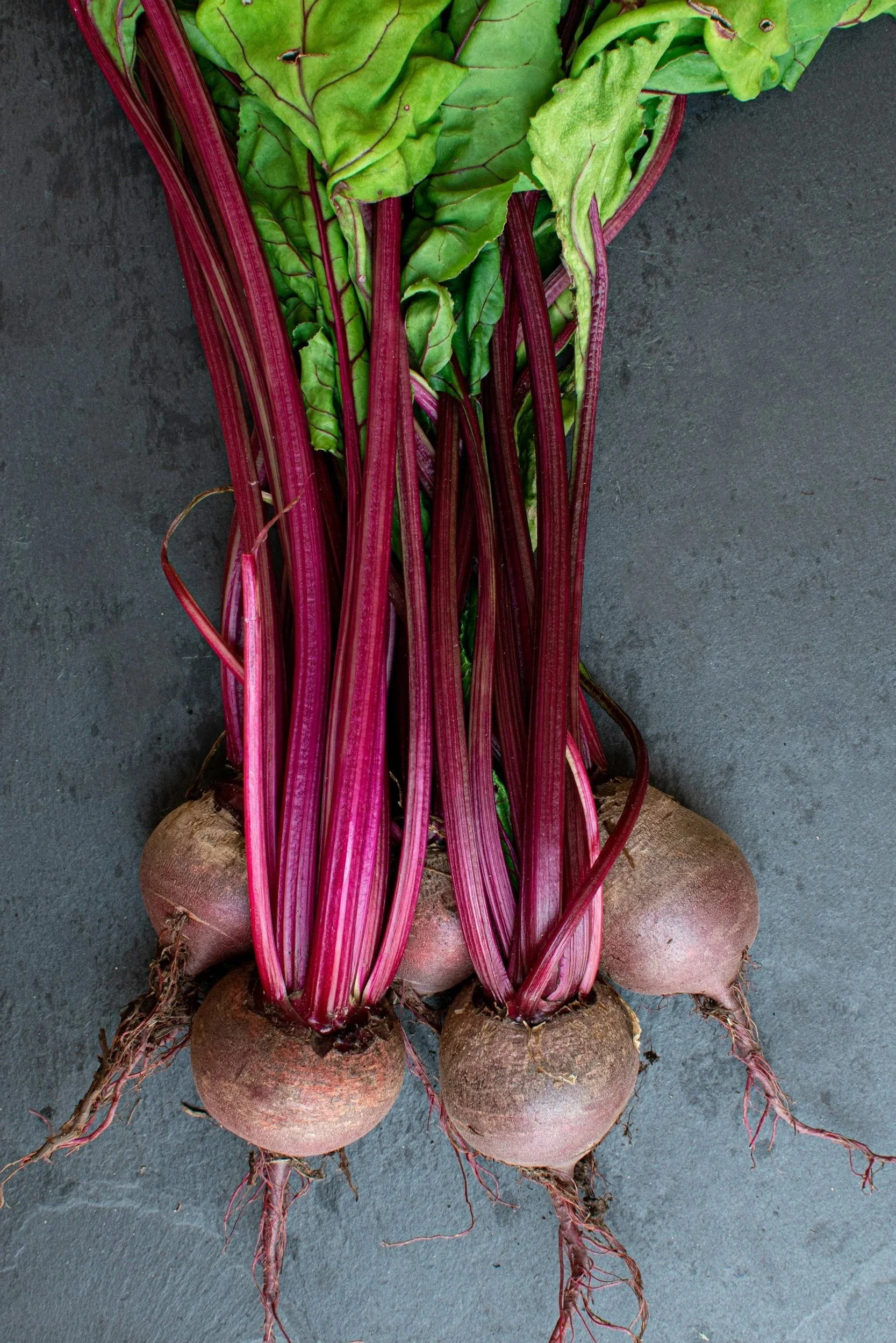
Beets deep red color comes from betalains. Betalains are natural pigments that also act as antioxidants and have been studied for their role in supporting the body's natural inflammatory response. Beets are also a good source of folate and contain naturally occurring nitrates, which support healthy circulation.
Meal tip: Roasting beets at a low, slow heat brings out their natural sweetness. Wrap them in foil, roast until tender, then slice over greens with goat cheese and a little balsamic. They also pair well with arugula. The sweetness of the beet softens the bitterness of the green.
Asparagus
Asparagus is one of the most anticipated vegetables of the New England spring. Its season is short, usually just six to eight weeks, so it is worth enjoying while it lasts. Nutritionally, it is one of the richest vegetable sources of folate available, which plays an important role in supporting cell health and energy. It also contains inulin, a prebiotic fiber that gently nourishes the beneficial bacteria in your gut.
Meal tip: Drizzle with some olive oil, a pinch of salt, place on the grill or in the oven for a few minutes. Shaved raw over salads with lemon and parmesan is another option.
Mushrooms
Massachusetts producers grow shiitake and oyster mushrooms year-round, making them a reliable option this time of year. Mushrooms that have been exposed to UV or sunlight can produce vitamin D. Vitamin D is a nutrient that is particularly important in the Northeast, where sun exposure is limited for much of the year. Shiitake mushrooms also contain beta-glucans, natural compounds that support healthy immune function.
Meal tip: Roast shiitakes at high heat (around 425°F) until the edges crisp up. Their rich, savory flavor makes them a satisfying addition to pasta dishes, grain bowls, and tacos.
Why Seasonal Produce Is Often Cheaper?
When produce is grown locally and harvested at peak season, the costs of long-distance shipping, extended cold storage, and complex supply chains largely disappear. There is also simple supply and demand at work. When a crop is at peak harvest regionally, prices drop. Asparagus in May, corn in August, and apples in October are reliably among the most affordable items you will find during their respective seasons.
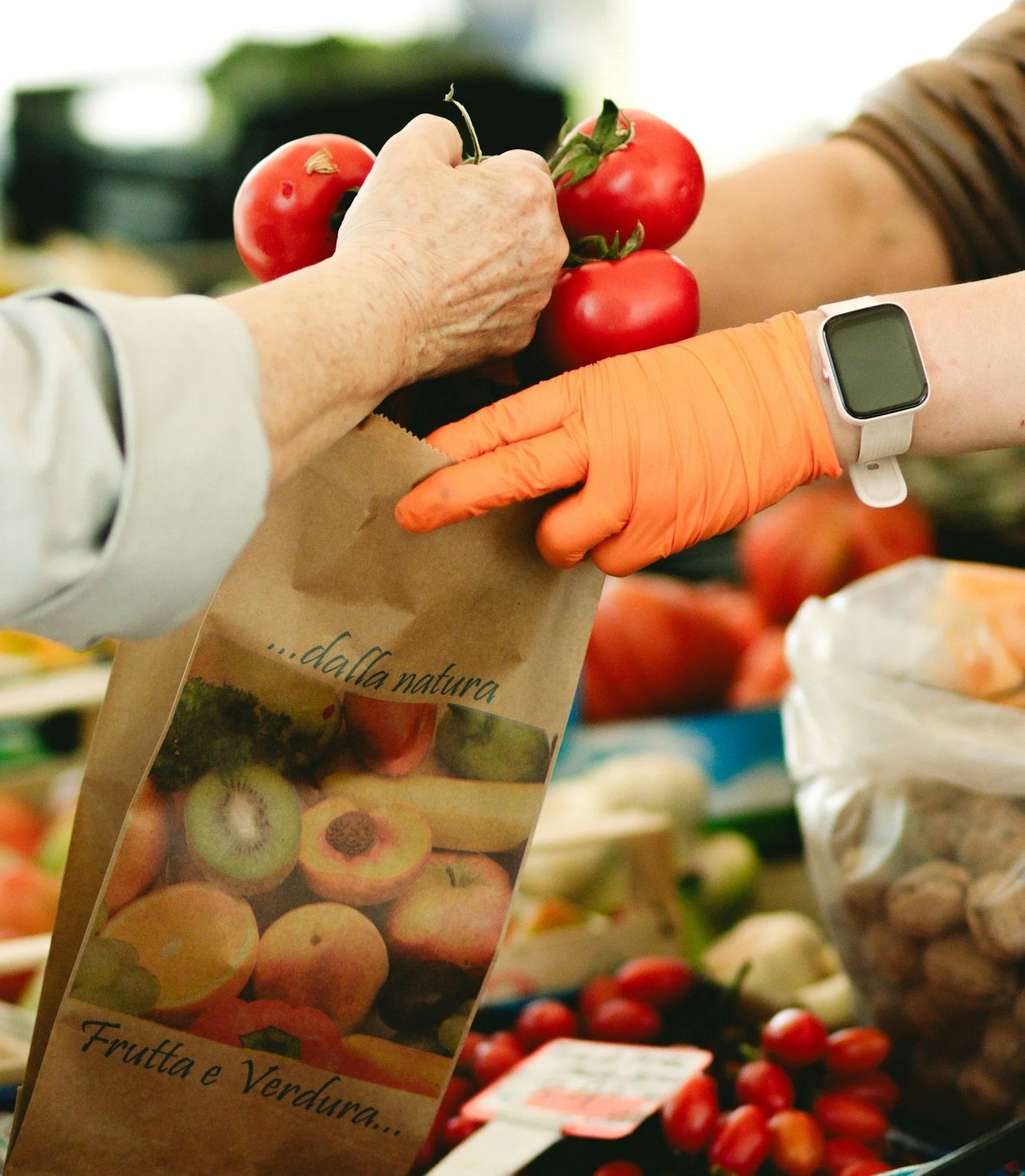
How to Shop Seasonally in Greater Boston
Copley Square Farmers Market — reopens May 15
Boston Public Market — open year-round, with Massachusetts vendors
mass.gov/massgrown — official Massachusetts produce availability calendar by month
seasonalfoodguide.org/massachusetts — interactive month-by-month seasonal guide
Davis Square Farmers Market— reopens May 20
Central Square Farmers Market— reopens May 18
Arlington Farmers’ Market— reopens in June
*** Use the MassGrown Map to find a farmers market near you! ***
References
Rickman, J.C., Barrett, D.M., & Bruhn, C.M. (2007). Nutritional comparison of fresh, frozen, and canned fruits and vegetables. Journal of the Science of Food and Agriculture, 87(6), 930–944.
Massachusetts Department of Agricultural Resources. Massachusetts-Grown Produce Availability Calendar. mass.gov/massgrown.
Slavin, J. (2013). Fiber and prebiotics: Mechanisms and health benefits. Nutrients, 5(4), 1417–1435.
Shkembi, B., & Huppertz, T. (2021). Calcium absorption from food products: food matrix effects. Nutrients, 14(1), 180.